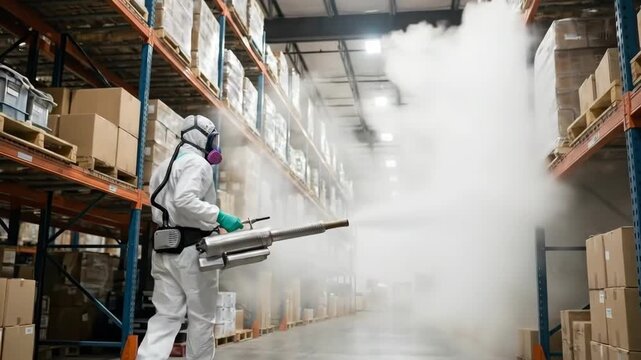
Agricultural pest control
Safeguarding your crops with science
Nebek Company offers specialized crop pest control services for farmers, agribusinesses, and horticultural operations. We use KEPHIS‑approved products and integrated pest management (IPM) strategies to protect your crops from destructive pests while minimizing environmental impact.
Our services cover cereals, pulses, vegetables, fruits, and ornamental crops across Kenya.
Crop pests we eliminate
Targeted solutions for major agricultural pests
We identify, treat, and prevent infestations with precision and care.
Weevils (Sitophilus spp.)
Host crops: Maize, wheat, rice, sorghum, barley.
Signs of infestation: Holes in grains, powdery frass, adult weevils crawling in storage.
Our treatment: We use targeted insecticides and fumigation (phosphine) for stored grain. We also provide preventive treatments for silos and storage facilities.
Prevention: Proper storage hygiene, grain drying, and regular monitoring.
Aphids (Aphidoidea)
Host crops: Vegetables (kale, cabbage, tomatoes), legumes, ornamentals, and cereals.
Signs of infestation: Yellowing, curling leaves, sticky honeydew, sooty mold, and visible clusters of small green/black insects.
Our treatment: We apply systemic and contact insecticides, along with biological control agents (ladybugs) where appropriate. We also recommend crop rotation and intercropping.
Prevention: Regular scouting, use of resistant varieties, and conservation of natural predators.
Spider Mites (Tetranychidae)
Host crops: Tomatoes, cucumbers, strawberries, beans, cotton, and ornamentals.
Signs of infestation: Stippling (tiny yellow/white spots) on leaves, fine webbing, and leaf drop.
Our treatment: We use acaricides and miticides, along with cultural practices like increased humidity and regular irrigation. We also introduce predatory mites for biological control.
Prevention: Avoid water stress, maintain field hygiene, and rotate crops.
Armyworms (Spodoptera spp.)
Host crops: Maize, sorghum, millet, rice, and pasture grasses.
Signs of infestation: Defoliation, ragged leaves, frass (droppings), and marching caterpillars.
Our treatment: We apply fast‑acting insecticides at early larval stages. We also provide monitoring traps and advice on integrated management.
Prevention: Early detection through pheromone traps, crop rotation, and maintaining natural enemies.
Fruit Flies (Tephritidae)
Host crops: Mangoes, citrus, passion fruit, tomatoes, and cucurbits.
Signs of infestation: Premature fruit drop, puncture marks, larval tunnels, and rotting fruit.
Our treatment: We use bait sprays, male annihilation traps, and targeted insecticide applications. We also recommend sanitation (removing fallen fruit).
Prevention: Orchard hygiene, trapping, and use of fruit fly‑resistant varieties.
Stem Borers (Busseola, Chilo)
Host crops: Maize, sorghum, sugarcane, and millet.
Signs of infestation: Wilting, dead hearts, holes in stems, and frass at entry points.
Our treatment: We apply granular insecticides at planting and foliar sprays during early growth. We also encourage biological control via parasitoids.
Prevention: Timely planting, crop rotation, and destruction of crop residues.
Our process
How we protect your crops
A structured approach that minimizes crop damage and maximizes yield protection.
Field Scouting & Identification
Our agronomists conduct thorough field inspections to identify pest species, population levels, and damage extent. We use pheromone traps and visual sampling.
Integrated Pest Management (IPM) Plan
We develop a tailored IPM strategy that combines chemical, biological, and cultural controls. We select the most effective, least‑toxic products for your crop and growth stage.
Precision Application
Our trained technicians apply treatments using calibrated equipment to ensure even coverage and minimal waste. We follow all safety and environmental guidelines.
Monitoring & Retreatment (if needed)
We monitor pest levels post‑treatment. If populations remain above threshold, we return for a retreatment at no extra cost — guaranteed.
Reporting & Advisory
We provide detailed reports on pest levels, treatments applied, and recommendations for future prevention. We also offer training for your farm staff.
Our credentials
Trusted by farmers across Kenya
Our certifications and guarantees give you peace of mind.
📜 PCPB & KEPHIS Certified
We are licensed by the Pest Control Products Board (PCPB) and all our products are approved by the Kenya Plant Health Inspectorate Service (KEPHIS). This ensures your crops are treated with safe, effective, and legally compliant products.
License No.: Available upon request
🔄 Free Retreatment Guarantee
If pest pressure persists after our treatment, we will re‑treat your field at no extra cost within the guarantee period. This guarantee reflects our confidence in our IPM strategies.
Guarantee period: Varies by pest and crop — ask your agronomist for details.
🌿 Eco‑Safe Products
We prioritize products with low toxicity to beneficial insects, pollinators, and the environment.
🧪 IPM Expertise
Our agronomists are trained in integrated pest management, combining biological, cultural, and chemical controls.
📊 Data‑Driven
We use scouting data and thresholds to time applications precisely, reducing unnecessary treatments.
Protect your harvest today
Get a free, no‑obligation quote for your farm.